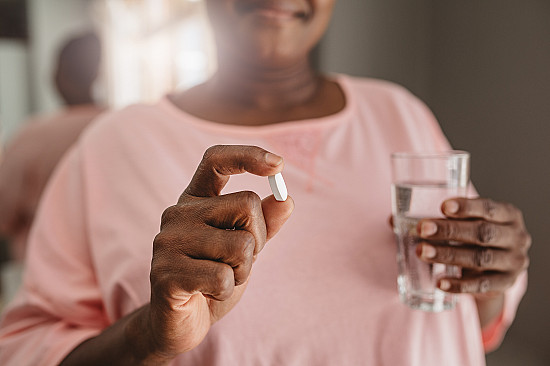
Once upon a time, we believed that a daily multivitamin could make up for our dietary deficiencies. However, recent research suggests that multivitamins may not be the magic solution we once thought they were.
In fact, many multivitamins contain higher amounts of micronutrients than what is recommended in the government’s Dietary Guidelines for Americans. If you do choose to take a multivitamin, stick to taking just one daily. Taking extra multivitamins to increase the intake of a single micronutrient can be harmful, as it may result in an excessive intake of other vitamins and minerals.
Moreover, the benefits of multivitamins are still uncertain. According to the Women’s Health Initiative study, postmenopausal women who took multivitamins did not have a lower mortality rate and were just as likely to develop cardiovascular diseases and various types of cancers. Similar results have been found in newer studies conducted on men and younger adults.
Little or No Evidence of Protection
There is also little or no evidence to support the idea that individual vitamin supplements, such as vitamin E, vitamin C, beta carotene, and the B vitamin trio (B6, B12, and folic acid), provide protection against cardiovascular diseases or cancers.
Experts agree that the best way to obtain the necessary nutrients is through food. Nutrient-dense foods, in particular, offer a wide range of micronutrients relative to their calorie content. Some examples of nutrient-dense foods include avocados, leafy greens (such as chard, collard greens, kale, and spinach), bell peppers, Brussels sprouts, mushrooms, baked potatoes, sweet potatoes, cantaloupe, papaya, berries, low-fat yogurt, eggs, seeds, legumes, nuts, whole grains, and lean meats.
However, there are a few exceptions. For instance, many people do not get enough sunlight to produce sufficient amounts of vitamin D, and few natural foods provide an adequate supply. In such cases, taking a daily 1,000 IU vitamin D supplement can be a safe insurance. Similarly, individuals following a strict vegetarian diet or taking acid blockers for heartburn or peptic ulcer disease should consider vitamin B12 supplementation, with a dose of 1,000 micrograms per day being more than sufficient.
Remember, the key to optimal health lies in the synergistic interactions of these nutrients, which may explain why trials of single nutrients often fail to yield significant results.

Your Health is a Priority
At our beauty brand, we believe in providing you with the best advice to enhance your well-being. We want you to make informed decisions about supplements and prioritize your health. By focusing on nutrient-dense foods and considering selective supplementation, you can optimize your nutritional intake.
For more information on beauty and wellness, visit beauty. Let’s embark on this journey together, and remember, your health is our top priority!
Image: Goodboy Picture Company/Getty Images