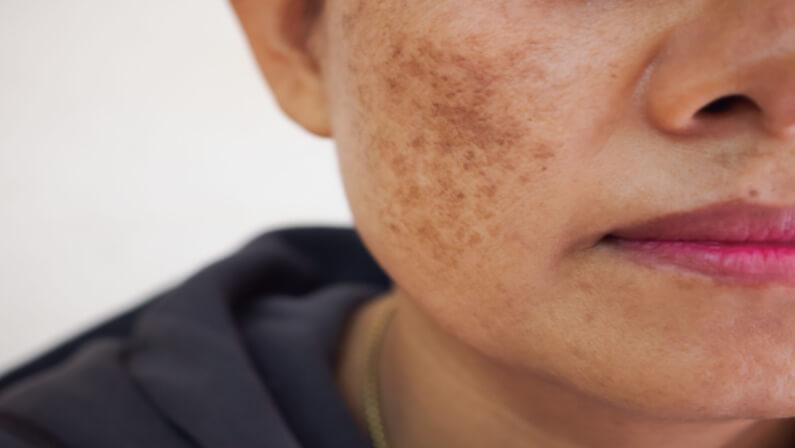
Do you have dark spots on your skin? You’re not alone! Dark spots, also known as age spots, sun spots, or liver spots, are a common skin condition that affects many people. In this article, we’ll explore what causes dark spots and how you can effectively treat them. We’ll also share some tips on preventing dark spots from forming in the first place. So, if you’re ready to say goodbye to those unsightly blemishes, keep reading!
What are Dark Spots on the Skin?
Dark spots on the skin are discolored patches that can be black, brown, or yellow in color. They are most commonly found on the face, hands, and arms, and they vary in size. Dark spots are often referred to as age spots, sun spots, or liver spots.
Dark Spot Symptoms
The symptoms of dark spots can vary, but the most common ones include discoloration of the skin, patchy or uneven skin coloration, increased pigmentation, bleeding or bruising easily, and itching or burning sensations. If you experience any of these symptoms, it’s essential to consult a doctor or skin expert to determine the cause and receive proper treatment.
What Causes Dark Spots on the Skin?
There are several factors that can cause dark spots on the skin. The most common causes include:
Sun Exposure
Sun exposure is one of the leading causes of dark spots. The sun’s ultraviolet (UV) rays can damage the skin cells and lead to the production of excess melanin, resulting in the development of dark spots.
Age
As we age, our skin becomes less elastic and more prone to wrinkles and age spots.
Hormonal Changes
Changes in hormone levels, such as during pregnancy or menopause, can cause dark spots to form on the skin.
Inflammation
Skin conditions that cause inflammation, like psoriasis and eczema, can damage the skin cells and increase melanin production, leading to the development of dark spots.
Side Effects from Certain Medications
Certain medications, like birth control pills or acne medications, can also cause dark spots to form on the skin.
Ethnicity
People with darker skin tones are more prone to developing dark spots than those with lighter skin tones.
Diabetes
Diabetes can damage the small blood vessels in the skin, leading to a decrease in blood flow and an increase in pigmentation, resulting in the development of dark spots.
Genetics
Some individuals may be genetically predisposed to developing dark spots.
Healing of Wounds
The healing of wounds can also cause dark spots to form on the skin. When a wound heals, new skin cells are formed, which are often darker in color and can lead to the development of dark spots.
Skin Irritation and Conditions
Skin conditions that cause irritation or inflammation can damage the skin cells and contribute to the development of dark spots.
How Can You Treat Dark Spots?
If you have dark spots on your skin, several effective treatments can help you get rid of them. Here are some popular options:
Laser Therapy
Laser therapy uses lasers to destroy melanin cells responsible for pigmentation, making it an excellent treatment for dark spots.
Microdermabrasion
Microdermabrasion involves removing the top layer of damaged skin cells using an abrasive brush or wheel, effectively reducing the appearance of dark spots.
Chemical Peel
A chemical peel utilizes chemicals like glycolic acid or salicylic acid to peel away the top layer of damaged skin cells.
Cryotherapy
Cryotherapy utilizes cold temperatures to destroy melanin cells that cause pigmentation, making it an effective treatment for dark spots.
Home Remedies
If you prefer natural remedies or want to explore alternatives to conventional medicine, there are a few home remedies you can try:
Over-the-Counter Creams
Several over-the-counter creams claim to fade dark spots, but their effectiveness is limited. It’s best to consult a doctor or specialist to determine which cream is right for you.
Natural Remedies
Natural remedies often involve the use of skin-lightening ingredients such as lemon juice, milk, and yogurt. These ingredients can help lighten the skin and remove the dark pigment cells that cause dark spots. Remember to mix and match these natural remedies to find what works best for you.
Cosmetics
Certain cosmetics contain ingredients that help lighten the skin and remove dark pigment cells, making them effective in treating dark spots. Additionally, some cosmetics can also help conceal dark spots.
How Can You Prevent Dark Spots from Forming?
Preventing dark spots requires a proactive approach to skincare. Here are some tips to help prevent dark spots:
- Wear sunscreen with an SPF of 30 or higher every day to reduce the risk of dark spot formation.
- Limit sun exposure during peak hours when the sun’s rays are strongest (between 10 am and 4 pm).
- Avoid tanning beds, as they emit UV rays that can damage your skin and lead to dark spot formation.
- Quit smoking, as it can damage the collagen in your skin and contribute to the formation of dark spots.
Take Care of Your Skin
Dark spots on the skin can be frustrating, but with the right care and treatments, you can reduce their appearance and restore your skin’s natural glow. Consult a doctor or expert from Skin Cancer Specialists to discuss the best treatment options for your dark spots. Remember, your skin deserves the best care!